Archive

stuff to check out

Just to let you all know that the Journal of Writing in Creative Practice has just published a short article by Pat Francis and myself where we share tips of how to put on a good (writing) workshop. This collaboration has come out of the Writing in Creative Practice events we have been working on together, which have been well received by participants, so if you are interested in putting on workshops like those yourself, whether for staff development or for student, this might be helpful.

A tip which isn’t included because it occurred to me after we sent this off (as a bonus for the readers of Tactile Academia):

Sort out the documentation beforehand

Just like it is important to gather feedback from your participants, it is important to be able to document the workshop. The most common form of doing that is probably taking photographs. If you are doing the workshops as part of your normal teaching routine this might not be as important, although good documentation can certainly help you demonstrate your good practice in an appraisal or interview situation for example. If you are doing the workshops as staff development or for an external funder this documentation becomes really important, as institutions like to show off what they have done/funded.

Whether you are running sessions yourself or ‘just’ organising, it can sometimes be difficult to remember to take photographs. So, nominate somebody to do it for you, maybe your institution has an official photographer who can pop in or you can get a photography student for the duration for a few quid (include this in your budget) and the work experience. Take the time to think about what you want the photographs to show in advance and discuss this with your photographer (or have a list if you are doing it yourself so that you don’t forget in the heat of the moment) – do you want shots of people arriving, materials, of the speakers, or work in progress, of certain activities and/or finished artefacts? The more you think about it beforehand, the more useful the photographs will be for you afterwards.

The article can be found in Volumen 5 Number 2 of the Journal of Writing in Creative Practice, pp. 291-300

While checking out the Tate Liverpool website to find out more about the ‘Tracing the Century’ exhibition, I came across a workshop they offer on documentary drawing on 19th January 2013. While it might be a bit too focused on the connection of documentary drawing to war artists for my taste, I am intrigued, especially because I know that there is a lot of drawing going on when it comes to documenting and reflecting within academic research.

I’ll be there…

‘How we experience material objects through our senses’ was the tag line of a two day workshop that I attended recently. The Sensuous Object, as it was called, turned out to be two days full of thought-provoking presentations (all centred around actual objects) with interesting people. So many issues were covered that it would be too much for just one blog post, so I may go into detail in future posts; suffice it to say that we discussed objects and the use of collections through focusing on their tactile nature, through sound, taste and smell, as well as movement. In the process we were treated not only to interesting visuals, like one presenter talking about hysteria while wearing a leather belt with which diagnosed hysterics were restrained to be kept safe in the nineteenth century, but we were also able to handle some of the objects that took centre stage.

One of the reasons that I really wanted to attend was that I was interested to see what is thought about object learning outside of my own field (of art and design), and I was not disappointed, coming home with a whole list of thoughts to follow up (once I have the time). I was particularly intrigued by the term ‘artifactualists’, the view of gloves as keeping an object of memory intact by not adding more memories, ‘imaginative imagination’, an ingenious way of visualising quantitative data, that sometimes we are talking about intuition but it may just be listening to sound without being aware of it (the sound being overlooked as it were), the question of how we listen and are we thinking about sound through metaphors, Gernot Boehme’s notion of athmosphere and the materiality of photography as well as drawing.

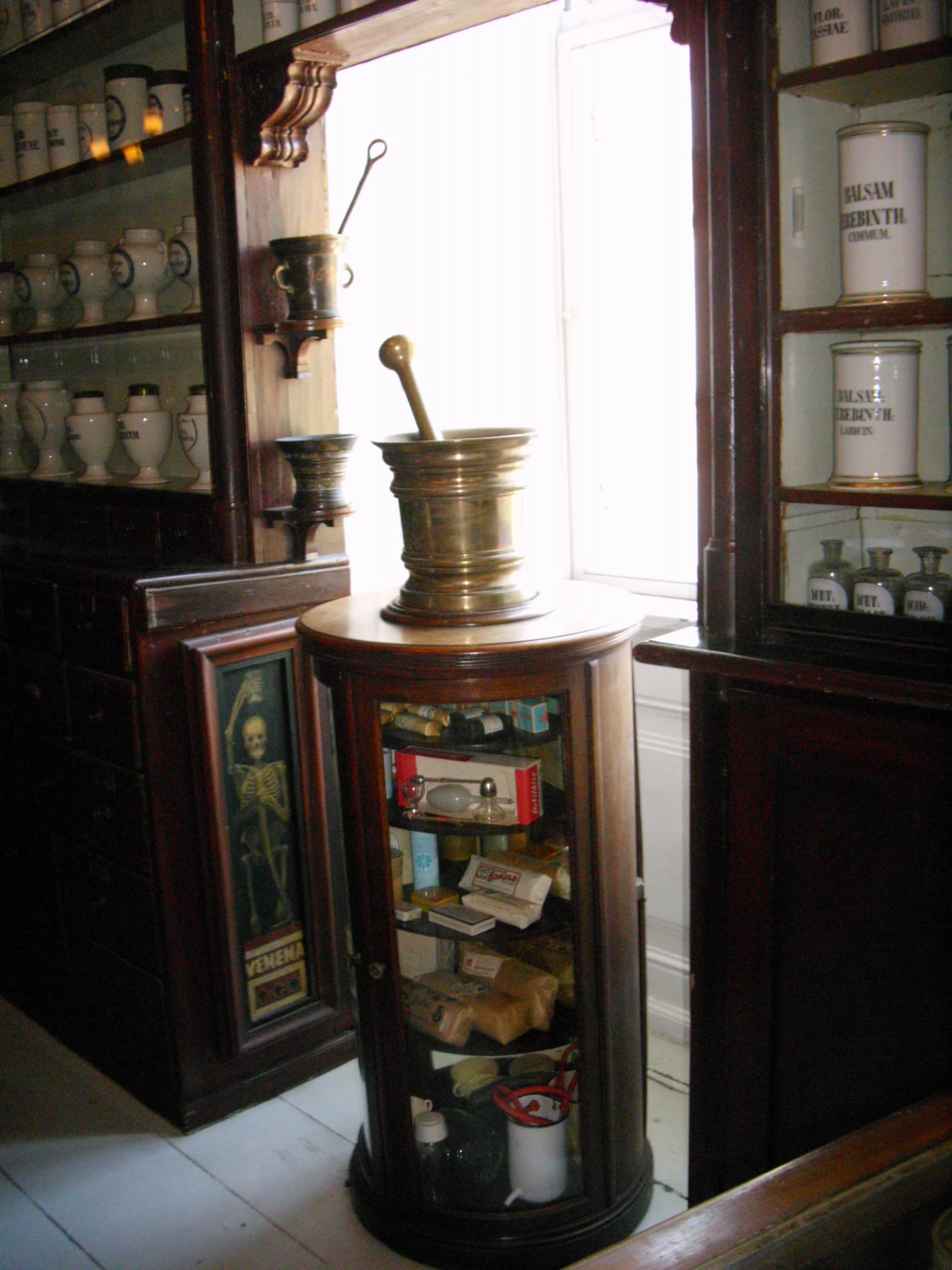
A big component was probably the Medical Museion in Copenhagen, which, as host, allowed the presenters access to its collection and also provided an athmospheric (and slightly unusual, for example they have a recreated Victorian pharmacy tucked away in one room) setting for the two days.

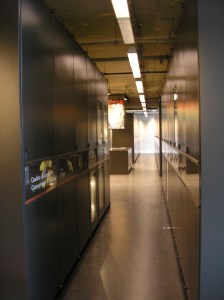
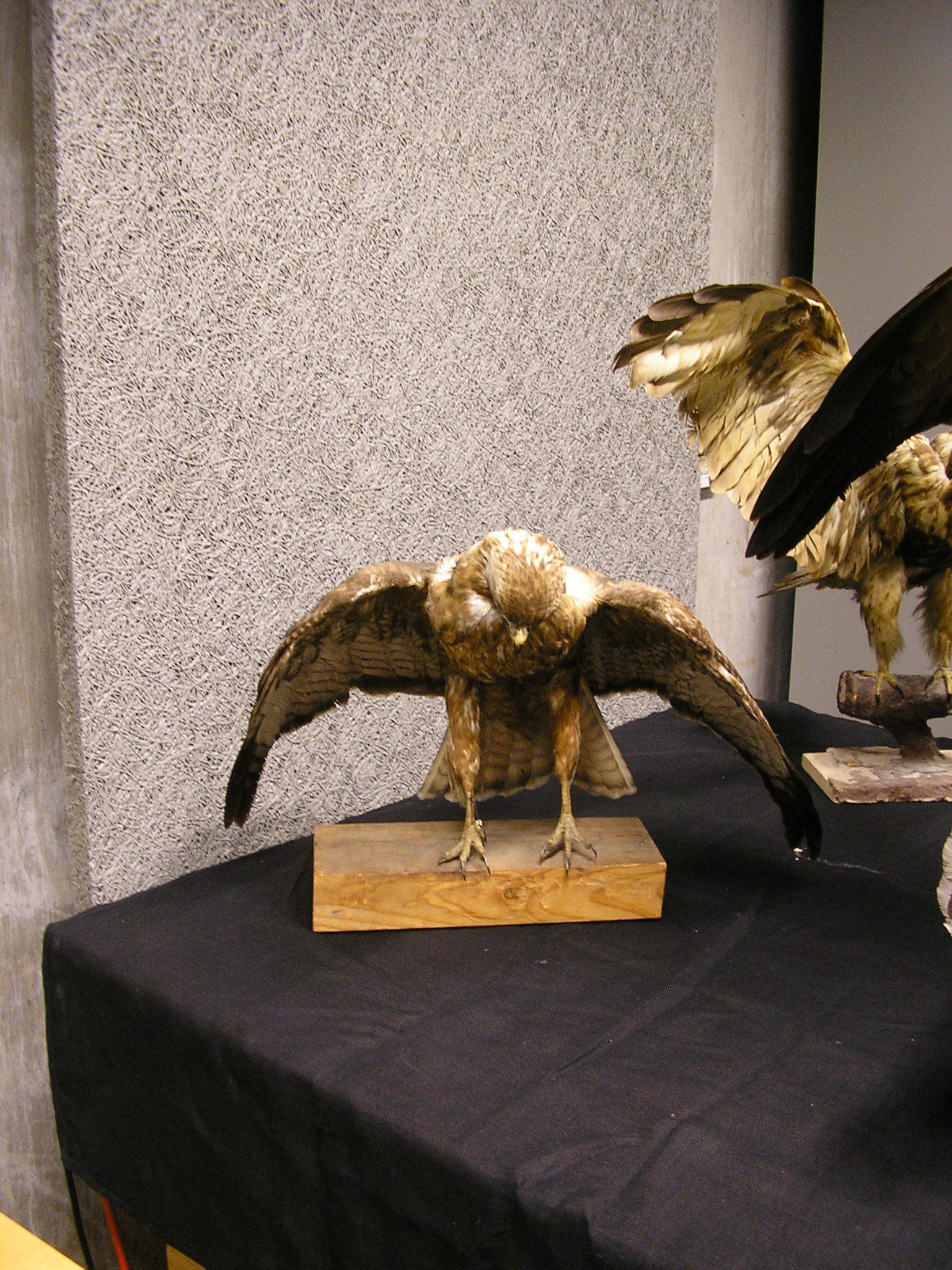
On a recent trip to Vancouver I visited the Beaty Biodiversity Museum , which is a very interesting museum in that it is also a (working) archive. Hidden away under the largest blue whale skeleton on display in Canada is what at first glance looks like a (albeit stylish) bunker, but is really storage for specimen. Most shelves are fronted in black, but some have integrated glass windows to allow visitors to see the collected objects, depending on their type pressed, stuffed, contained in boxes or in jars. This not only shows the objects, but also gives an insight into how they are stored and worked with. The interpretive text is interspersed with these displays, while there is also a ‘band’ of text that goes along the shelves and gives information on the different relationships of the specimen.

basic set-up

objects on display

storage boxes


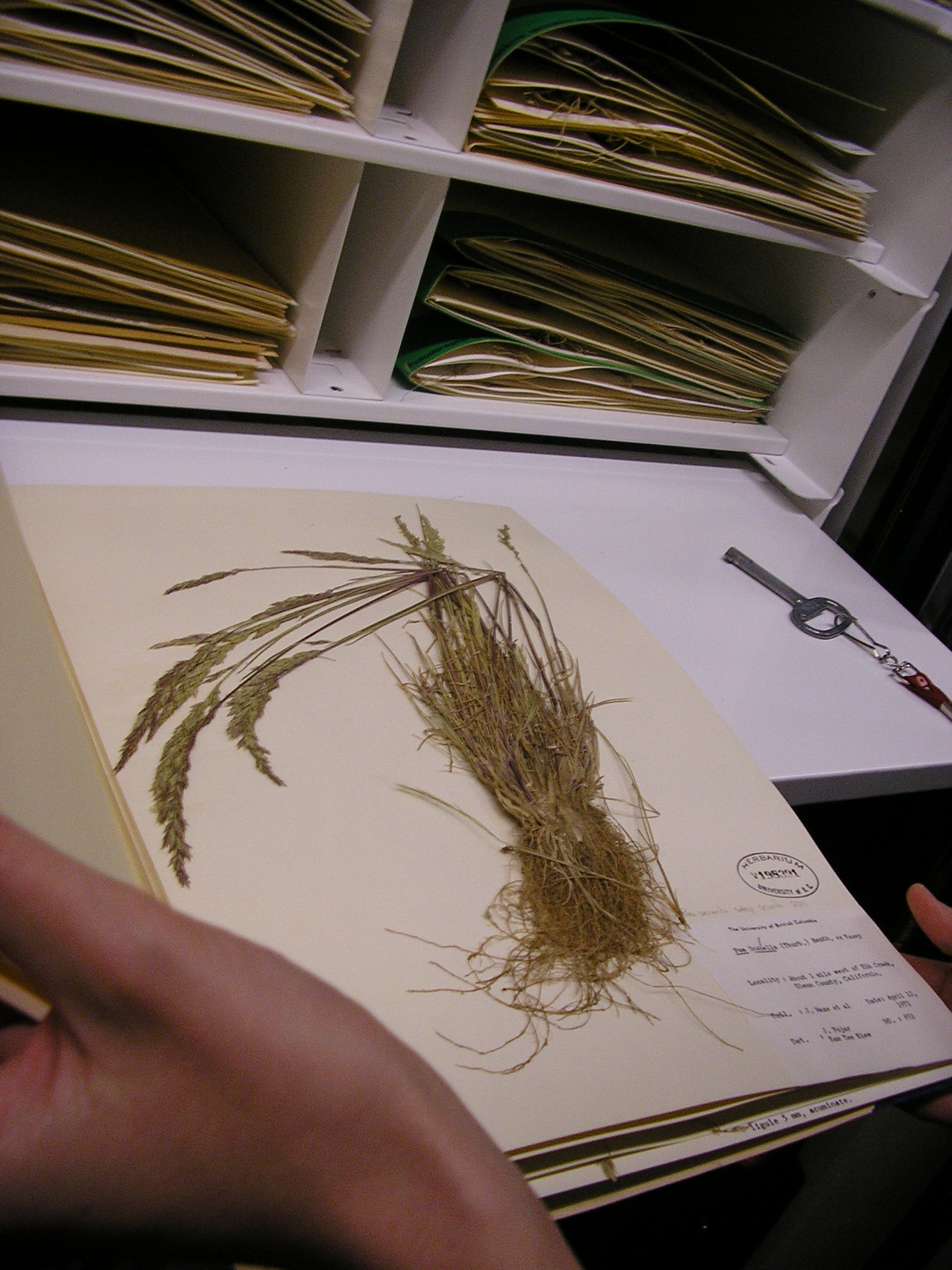
While I was there a member of staff from the University of British Columbia, where the museum is located, was accessing some of the specimen by unlocking one of the cabinets and showing that it really did contain hundreds of examples of pressed flora.

archive in action

There was also a treasure hunt for children, the last

in the discovery lab

station of which was a discovery lab, where the specimen could be seen outside of their glass cases.

Overall a fascinating museum well worth a visit!

When it comes to finding out what other people are researching in regards to object learning, a first point of call, particularly in the area of design is the Centre for Excellence in Teaching and Learning through Design. Based at the University of Brighton and working in collaboration with the Victoria and Albert Museum (V&A), the Royal Institute of British Architects (RIBA) and the Royal College of Arts (RCA) the projects taking place here are looking at object scholarship and object-based learning.
A particularly good starting point is the book Museums and Design Education: Looking to Learn, Learning to See (2010, edited by Beth Cook, Rebecca Reynolds and Catherine Speight, Ashgate).